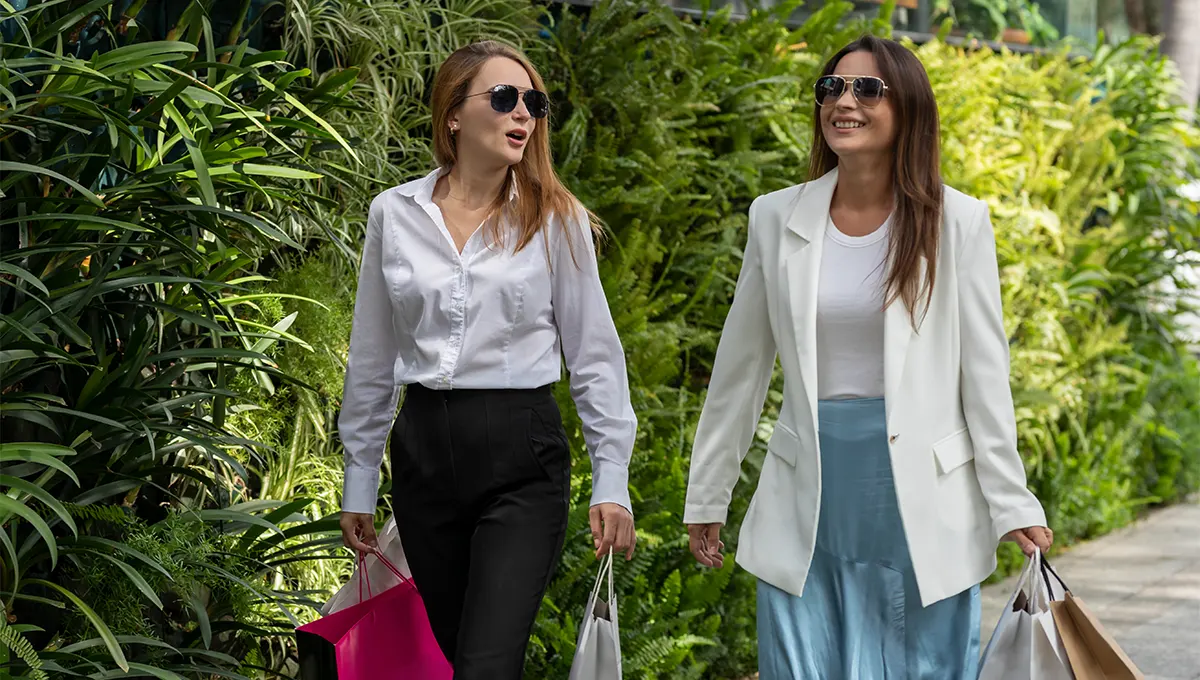
Sustainable Fashion Trends Redefining Eco Friendly Clothing and Style
Fashions are changing, but not only in terms of style; today's people are concerned about the composition of garments, their production processes, and their environmental footprint.
Thus, sustainable fashion trends have become popular nowadays. These may be related to eco-fashion clothes or ethical fashion brands. However, how does it affect your wardrobe?
How can you follow the latest fashion trends while simplifying the whole process for yourself? You can learn about the key trends, some practical fashion ideas, and simple ways to adopt them in this blog post.
What Is Driving Sustainable Fashion Trends Today
The emergence of sustainable fashion trends has not been coincidental, since there is an increased awareness of environmental and ethical considerations.
For many years now, fashion has been regarded as wasteful, destructive, and even unethical. Today, consumers are seeking for more transparency and high-quality products.
Notable advocates such as Stella McCartney have brought sustainable fashion trends to the forefront, showing that sustainability and luxury can coexist. Consumers are now opting for quality clothes over fast-fashion clothes, which tend to wear out easily.
Social media, as well as documentaries, have educated consumers on the whole cycle of clothes, leading to the increase in sustainable fashion trends.
Top Sustainable Fashion Trends to Watch
1. Eco Friendly Clothing Materials
One of the biggest shifts is toward eco-friendly clothing made from materials like organic cotton, hemp, and recycled fabrics. These materials reduce water usage and environmental damage while offering comfort and durability.
2. Organic Cotton Fashion Going Mainstream
Organic cotton fashion is gaining popularity because it avoids harmful chemicals and uses less water compared to conventional cotton. Brands like Patagonia and Eileen Fisher have embraced organic materials, setting industry standards.
3. Growth of Ethical Fashion Brands
Ethical fashion brands focus on fair wages, safe working conditions, and transparent sourcing. Consumers are increasingly choosing brands that align with their values, making ethics a key part of purchasing decisions.
4. Slow Fashion Movement
Slow fashion encourages buying fewer, higher-quality items that last longer. This trend promotes mindful consumption and reduces waste over time.
5. Circular and Recycled Fashion
Recycling and upcycling are becoming essential. Many brands now design clothing that can be reused or repurposed, supporting a circular fashion economy.
How to Choose Eco Friendly Clothing
Selecting environmentally friendly apparel is not rocket science. Begin by checking the tags on your clothes and go for those made of natural fibers, organic cotton clothes, and recycled clothes. One may consider GOTS certified clothes (Global Organic Textile Standards) to confirm authenticity.
Secondly, find out about ethical fashion companies and their supply chain processes. It becomes easier to determine legitimacy when a company publishes its sustainability report; one example would be Reformation.
Greenwashing should also be avoided by steering clear of misleading statements like "eco-friendly" or "natural." On the contrary, select clothes that are durable and classically designed to ensure longevity.
Lastly, do not worry about the initial price; think about how much the clothing will cost each time you wear it.
Best Ethical Fashion Brands to Know
There are also several ethical brands that are spearheading the movement towards sustainability. One example is Everlane, which is famous for its radical transparency and gives its customers a peek behind the curtain regarding their production process and pricing.
There is also People Tree, which prides itself on being fair-trade certified and manufacturing clothes that are good for the environment. The defining feature of these brands is that they prioritize ethics and sustainability.
Sustainable Outfit Ideas for Women
Adopting sustainable fashion trends doesn’t mean sacrificing style. Start with versatile basics like organic cotton tees, neutral-toned trousers, and classic denim. These pieces can be mixed and matched to create multiple outfit ideas for women.
Layering is another great approach, combining eco-friendly clothing items like a linen shirt with a recycled fabric jacket. Accessories can also play a role; choose eco-friendly jewellery to enhance your look responsibly.
For casual days, pair a simple organic cotton dress with comfortable sneakers. For workwear, opt for structured pieces from ethical fashion brands.
The key is to focus on timeless fashion ideas that remain stylish across seasons while reducing the need for constant shopping.
Benefits of Following Sustainable Fashion Trends
Following sustainable fashion trends offers multiple benefits beyond just style. Environmentally, it reduces waste, water usage, and carbon emissions. Socially, it supports fair wages and ethical working conditions.
From a personal perspective, eco-friendly clothing tends to be more durable and comfortable. Investing in high-quality pieces also means fewer replacements, saving money over time.
Additionally, adopting sustainable practices encourages mindful consumption, helping you build a wardrobe that truly reflects your values. It’s not just about fashionit’s about making choices that have a positive impact on the world.
Common Mistakes to Avoid
One common mistake is falling for greenwashing brands that appear sustainable without real proof. Another is overconsumption, even if the items are eco friendly.
Many people also ignore fabric composition, focusing only on brand image. Lastly, chasing trends instead of building a timeless wardrobe can defeat the purpose of sustainability.
Avoid these pitfalls by prioritizing quality, researching brands, and making intentional purchases that align with sustainable fashion trends.
Future of Sustainable Fashion Trends
The future of sustainable fashion trends looks promising, with innovations in biodegradable fabrics and advanced recycling technologies. Brands are investing in circular systems that reduce waste and extend product life cycles.
Technology is also improving transparency, allowing consumers to trace the origin of their clothing. As awareness continues to grow, eco-friendly clothing and ethical fashion brands are expected to dominate the industry, making sustainability a standard rather than an option.
Conclusion
Sustainable fashion trends are more than just a passing phase, they represent a meaningful shift in how we think about clothing and consumption.
By choosing eco-friendly clothing, supporting ethical fashion brands, and embracing timeless fashion ideas, you can make a real difference without compromising your style. The key is to start small, stay informed, and build a wardrobe that aligns with your values.
Ready to take the next step? Begin by evaluating your current wardrobe and swapping just one item for a more sustainable alternative you'll be surprised how quickly those small changes add up.
FAQs
- What are the trends in sustainable fashion?
Sustainable fashion trends include eco friendly clothing, organic cotton fashion, recycled materials, ethical fashion brands, slow fashion, and circular production systems.
- What are the 7 forms of sustainable fashion?
Seven forms include organic fashion, recycled fashion, vegan fashion, ethical fashion, slow fashion, zero waste fashion, and circular fashion systems.
- What is Gen Z wearing now?
Gen Z prefers thrifted outfits, oversized fits, eco friendly clothing, vintage styles, organic cotton fashion, and pieces from ethical fashion brands.
- What are the latest trends in sustainability?
Latest sustainability trends include circular economy, biodegradable materials, eco friendly clothing, reduced waste production, renewable energy use, and ethical sourcing practices.