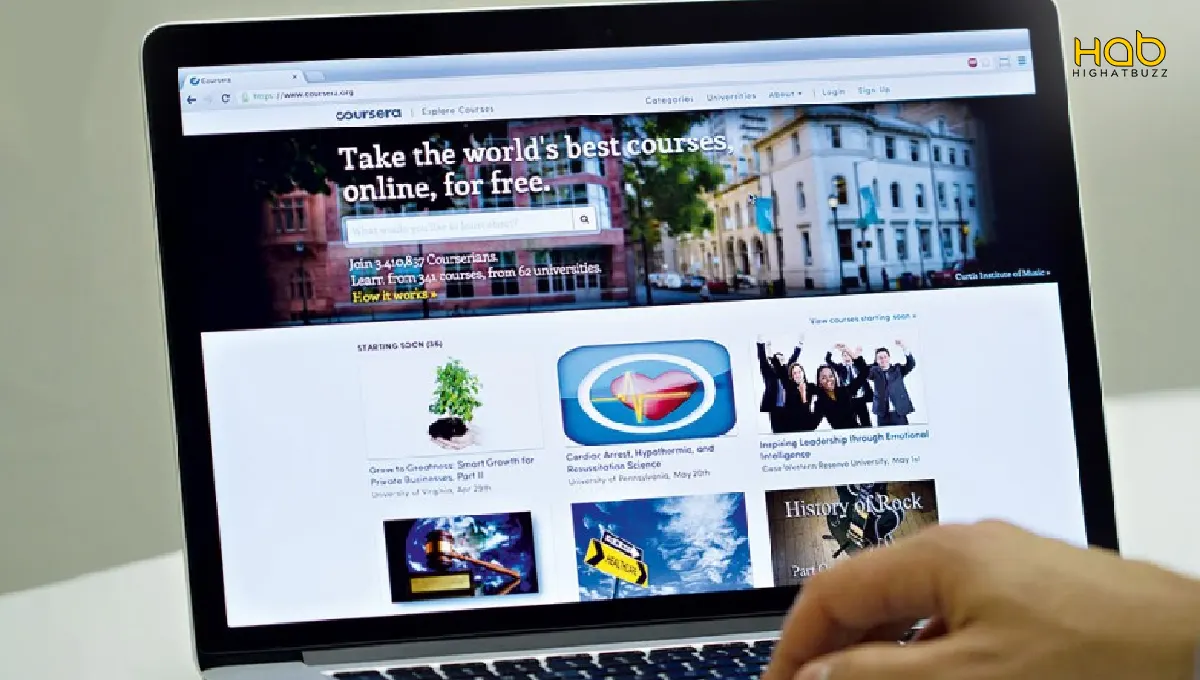
Coursera Review 2026: Is It Worth Paying For?
Online learning has evolved from a convenient option into one of the most effective ways to develop new skills, earn industry-recognized credentials, and stay competitive in today's job market. Whether you're looking to switch careers, advance in your current role or simply learn something new, choosing the right learning platform is an important decision.
Among the many online education platforms available today, Coursera stands out for its partnerships with leading universities and global companies. Its catalog includes everything from short beginner-friendly courses to Professional Certificates and fully accredited online degree programs.
But is Coursera actually worth paying for in 2026?
To answer that question, we evaluated the platform based on its course quality, learning experience, pricing, flexibility, certificate value and overall usability. We also compared its strengths and limitations with other popular online learning platforms to help you determine whether it's the right fit for your goals.
In this comprehensive review, you'll learn:
- What Coursera offers
- How the platform works
- Course quality and learning experience
- Pricing options
- Advantages and disadvantages
- Who should use Coursera
- Whether its certificates are worth earning
- Our overall verdict
Quick Answer
Yes, for many learners, Coursera remains one of the best online learning platforms in 2026.
Its combination of university-backed courses, industry-recognized Professional Certificates, flexible scheduling, and structured learning paths makes it an excellent choice for students, professionals, and career changers.
However, whether it's worth paying for depends on your learning goals. If you only want to explore a topic casually, the free learning options may be enough. If you're looking to earn certificates, complete graded assignments, or build career-ready skills, one of the paid options is usually the better choice.
Coursera at a Glance
|
Feature |
Details |
|
Best For |
Career-focused learners, students, and professionals |
|
Free Courses |
Yes (selected content available) |
|
Certificates |
Yes |
|
Professional Certificates |
Yes |
|
Degree Programs |
Yes |
|
Mobile App |
Yes |
|
Offline Learning |
Available through the mobile app for eligible content |
|
Financial Aid |
Available for many eligible courses |
|
Overall Rating |
⭐⭐⭐⭐⭐ (4.8/5) |
How We Evaluated Coursera
To provide a balanced review, we assessed Coursera using several key factors that matter most to learners.
Our evaluation focused on:
- Course quality and organization
- Variety of subjects and learning paths
- Ease of navigation
- Learning tools and assignments
- Mobile learning experience
- Pricing and overall value
- Certificate credibility
- Flexibility for busy learners
- Suitability for beginners and professionals
We also compared Coursera with other well-known online learning platforms to better understand where it excels and where another platform might be a better choice depending on your needs.
Rather than focusing on marketing claims alone, this review considers the overall learning experience and practical value the platform offers.
What Is Coursera?
Coursera is one of the world's largest online learning platforms, offering courses from internationally recognized universities, educational institutions, and industry-leading companies.
Founded in 2012, the platform has grown into a global learning marketplace where millions of learners can study subjects ranging from technology and business to healthcare, psychology, marketing, and personal development.
Unlike many online course websites that rely primarily on independent instructors, Coursera partners with respected organizations to deliver structured educational programs that often mirror university-level learning.
Learners can choose from several types of educational programs, including:
- Individual Courses
- Guided Projects
- Professional Certificates
- Specializations
- MasterTrack® Certificates
- Online Bachelor's Degrees
- Online Master's Degrees
This flexibility allows users to begin with a short introductory course or pursue a long-term academic or career-focused learning pathway.
Key Features of Coursera
1. Extensive Course Library
One of Coursera's biggest strengths is the enormous variety of learning opportunities available.
The platform covers hundreds of subjects, making it suitable for learners with different experience levels and career goals.
Popular categories include:
- Artificial Intelligence
- Data Science
- Machine Learning
- Business
- Finance
- Project Management
- Software Development
- Cybersecurity
- Digital Marketing
- Cloud Computing
- Healthcare
- Personal Development
- Language Learning
Whether you're learning a completely new skill or expanding existing knowledge, there's usually a structured learning path available.
2. Flexible Learning Schedule
Most Coursera programs are designed for self-paced learning, allowing students to study whenever it's convenient.
You can:
- Learn after work
- Study during weekends
- Pause lessons whenever necessary
- Watch lectures multiple times
- Continue learning across different devices
This flexibility makes Coursera especially attractive for working professionals and students who need to balance education with other commitments.
3. University and Industry Partnerships
A defining feature of Coursera is the quality of its educational partners.
Courses are developed by leading universities and globally recognized companies, giving learners access to structured content created by experienced educators and industry professionals.
Depending on the course, learners may encounter:
- Video lectures
- Interactive quizzes
- Reading materials
- Practical projects
- Peer-reviewed assignments
- Final assessments
This combination of academic instruction and practical learning helps many courses feel more comprehensive than traditional video tutorials.
4. Hands-On Learning
Many Coursera programs encourage learners to apply what they learn instead of simply watching videos.
Depending on the program, learning activities may include:
- Practice quizzes
- Coding exercises
- Guided projects
- Peer-reviewed assignments
- Capstone projects
These practical exercises help reinforce new concepts while allowing learners to build experience they can apply in real-world situations.
5. Mobile Learning
Coursera offers mobile apps for both Android and iOS, making it possible to continue learning almost anywhere.
Features include:
- Video streaming
- Progress synchronization
- Downloadable lessons for eligible courses
- Learning reminders
- Cross-device access
For busy professionals or students with limited study time, the ability to continue learning during commutes or travel adds significant convenience.
Course Quality
Course quality is one of Coursera's strongest advantages.
Unlike platforms where anyone can publish a course, many Coursera programs are created by universities and established organizations that follow structured curricula.
A typical course may include:
- High-quality video lectures
- Reading materials
- Weekly quizzes
- Practical assignments
- Discussion forums
- Final assessments
- Shareable certificates upon completion (where applicable)
That said, quality can vary between courses because each partner develops its own content and teaching style. Before enrolling, it's worth reviewing the syllabus, instructor profile, learner ratings, estimated completion time, and recent reviews to ensure the course aligns with your expectations.
Learning Experience
Coursera provides one of the most polished learning experiences among major online education platforms.
The interface is clean, easy to navigate, and beginner-friendly, allowing learners to focus on studying rather than figuring out how the platform works.
Most courses include:
- Clearly organized lessons
- Progress tracking
- Assignment deadlines (often flexible)
- Discussion forums
- Downloadable resources (when available)
- Certificates for eligible programs
One aspect many learners appreciate is the structured progression from one lesson to the next. Instead of randomly selecting videos, courses typically build concepts step by step, making it easier to develop a deeper understanding of the subject.
Like any self-paced platform, success depends on consistency. Learners who create a weekly study schedule and complete assignments regularly are generally more likely to finish courses and retain what they learn.
Overall, Coursera offers a learning experience that balances flexibility with structure, making it suitable for both beginners and experienced professionals looking to expand their knowledge.
Coursera Pricing
One of Coursera's biggest advantages is that it offers multiple pricing options, allowing learners to choose a plan based on their goals, budget and learning preferences. Whether you're exploring a new topic or pursuing a professional credential, there's usually an option that fits your needs.
|
Option |
Best For |
|
Free Course Access |
Exploring course content before committing |
|
Individual Course Purchase |
Learning a specific skill or subject |
|
Coursera Plus |
Learners planning to complete multiple eligible courses |
|
Professional Certificates |
Career-focused learners developing job-ready skills |
|
Online Degrees |
Long-term academic advancement |
Free Learning
Many Coursera courses allow learners to access lecture videos and selected reading materials without payment. This option is useful for exploring a subject before deciding whether to invest in a certificate or a more comprehensive program.
Keep in mind that free access often excludes graded assignments, final assessments, and shareable certificates.
Individual Courses
If you only need to learn one specific skill, purchasing an individual course may be the most economical choice. Prices vary depending on the provider and course content, so it's always worth reviewing the current enrollment details before registering.
Coursera Plus
Coursera Plus is designed for learners who plan to complete several eligible courses or Professional Certificate programs throughout the year.
Instead of paying separately for each course, subscribers receive access to a large collection of eligible content under a single subscription, making it a cost-effective option for continuous learning.
Professional Certificates
Professional Certificates are career-focused programs that combine multiple courses into a structured learning path. Many are created with industry partners and focus on practical, job-relevant skills rather than academic theory.
These programs are particularly popular among learners preparing for careers in areas such as data analytics, cybersecurity, digital marketing, project management, UX design and software development.
Online Degree Programs
For learners seeking formal academic qualifications, Coursera also hosts online bachelor's and master's degree programs from participating universities.
These programs typically require a greater financial and time commitment than individual courses or certificates but offer a structured path toward earning an accredited degree.
Pricing Note: Tuition and subscription costs vary by course, certificate program, institution, and region. Promotional offers and financial assistance may also be available, so reviewing the latest information before enrolling is recommended.
Financial Aid and Scholarships
One feature that sets Coursera apart from many online learning platforms is the availability of financial aid for numerous eligible courses and Professional Certificate programs.
Qualified learners may be able to reduce or eliminate course costs by submitting a financial aid application through the course page. Approval is not guaranteed and eligibility varies depending on the program and provider.
For students or career changers working within a limited budget, this can make high-quality education significantly more accessible.
Pros and Cons
Like any learning platform, Coursera has strengths and limitations. Understanding both can help you decide whether it matches your learning style and career objectives.
Pros
- Extensive catalog covering hundreds of subjects
- Courses developed by leading universities and global companies
- Flexible self-paced learning for busy schedules
- High-quality video lessons and structured curricula
- Professional Certificates aligned with in-demand careers
- Mobile app with cross-device learning support
- Financial aid available for many eligible programs
- Suitable for beginners as well as experienced professionals
- Strong selection of technology, business, and data science courses
- Opportunities to earn accredited online degrees
Cons
- Certificates and graded assessments usually require payment
- Course quality can vary depending on the content provider
- Self-paced learning requires discipline and motivation
- Limited direct interaction with instructors in many courses
- Peer-reviewed assignments may provide inconsistent feedback
- Not every certificate carries the same level of employer recognition
- Degree programs require a significant financial commitment
Overall, the advantages outweigh the drawbacks for learners who are committed to completing courses and applying what they learn.
Best Coursera Courses
One reason Coursera remains popular is its wide selection of career-focused programs. While the ideal course depends on your goals, several programs consistently attract learners because they focus on practical, in-demand skills.
Popular choices include:
- Google Data Analytics Professional Certificate
- Google Project Management Professional Certificate
- Google Cybersecurity Professional Certificate
- IBM Data Science Professional Certificate
- Meta Front-End Developer Professional Certificate
- Meta Back-End Developer Professional Certificate
- Machine Learning Specialization
- Deep Learning Specialization
- Python for Everybody Specialization
- Foundations of User Experience (UX) Design
These programs typically combine video lessons, quizzes, practical assignments, and projects that help learners build a portfolio alongside new knowledge.
Are Coursera Certificates Worth It?
For many learners, yes, Coursera certificates can provide meaningful value when they complement practical experience and support a clear career goal.
Certificates earned through university or industry-backed programs can demonstrate a commitment to continuous learning and may strengthen a professional profile when they are relevant to the position being pursued.
However, it's important to view certificates as evidence of learning rather than a guaranteed path to employment.
Their value depends on several factors, including:
- The reputation of the course provider
- The skills gained during the program
- How those skills are applied in real projects
- Existing work experience
- The expectations of employers within a particular industry
Many learners include relevant Coursera certificates in the certifications section of their resume or on their professional networking profiles to showcase ongoing skill development.
Certificates tend to be especially valuable for:
- Career changers building foundational knowledge
- Students supplementing formal education
- Working professionals pursuing upskilling
- Freelancers expanding their expertise
- Job seekers demonstrating continuous learning
The strongest career outcomes usually come from combining certificates with hands-on projects, practical experience, and a portfolio that demonstrates real-world skills.
Who Should Use Coursera?
Coursera serves a broad range of learners because it offers programs for different experience levels and career objectives.
Students
Students can use Coursera to strengthen classroom learning, explore potential career paths, and develop practical skills that may improve internship or job opportunities.
A good choice if you want to:
- Learn in-demand skills
- Build a stronger resume
- Explore new industries
- Prepare for internships
- Gain practical knowledge beyond textbooks
Career Changers
Individuals moving into technology, business, data analytics, cybersecurity, project management, or digital marketing often benefit from Coursera's structured learning paths.
Many Professional Certificates begin with beginner-level concepts before progressing toward more advanced practical skills.
Working Professionals
Professionals frequently use Coursera to remain competitive within rapidly evolving industries.
Common reasons include:
- Learning emerging technologies
- Developing leadership abilities
- Improving technical expertise
- Preparing for promotions
- Expanding professional credentials
The platform's flexible scheduling makes it possible to continue learning while maintaining full-time employment.
Lifelong Learners
Not every learner has career-related goals.
If you're interested in subjects such as psychology, history, health, philosophy, business, or personal development, Coursera offers structured educational content that allows you to continue learning at your own pace without committing to a traditional academic program.
Who Might Prefer an Alternative?
Although Coursera is an excellent platform for many learners, it isn't the perfect solution for everyone.
You may prefer another platform if you:
- Want live instructor-led classes every week
- Prefer one-on-one mentoring or coaching
- Learn best through short, informal video lessons
- Focus primarily on creative skills such as illustration or photography
- Need immediate personalized feedback throughout a course
- Prefer purchasing courses with lifetime access instead of subscribing
Understanding your preferred learning style will help you choose the platform that offers the best overall experience for your goals.
Coursera vs Other Online Learning Platforms
Choosing the right online learning platform depends on your goals, preferred learning style, and the type of credentials you want to earn. While Coursera is known for its university partnerships and structured programs, other platforms offer different advantages.
|
Feature |
Coursera |
Udemy |
LinkedIn Learning |
edX |
|
University Partnerships |
⭐⭐⭐⭐⭐ |
⭐⭐ |
⭐⭐ |
⭐⭐⭐⭐⭐ |
|
Professional Certificates |
⭐⭐⭐⭐⭐ |
⭐⭐⭐ |
⭐⭐⭐⭐ |
⭐⭐⭐⭐⭐ |
|
Self-Paced Learning |
Yes |
Yes |
Yes |
Yes |
|
Degree Programs |
Yes |
No |
No |
Yes |
|
Mobile App |
Yes |
Yes |
Yes |
Yes |
|
Offline Learning |
Yes |
Yes |
Yes |
Yes |
|
Financial Aid |
Available for many eligible programs |
No |
No |
Available for selected programs |
|
Technology Courses |
Excellent |
Excellent |
Good |
Excellent |
|
Business Courses |
Excellent |
Excellent |
Excellent |
Strong |
|
Beginner Friendly |
Excellent |
Excellent |
Excellent |
Good |
|
Best For |
Career advancement & university-backed learning |
Affordable individual courses |
Professional development |
Academic learning & degrees |
Which Platform Should You Choose?
Each platform serves a different audience, so the best choice depends on your learning objectives.
Choose Coursera if you:
- Want structured learning paths.
- Prefer courses created by universities and leading companies.
- Plan to earn Professional Certificates.
- Need career-focused training.
- Are considering an online degree.
Choose Udemy if you:
- Want affordable one-time course purchases.
- Need to learn a specific skill quickly.
- Prefer lifetime access after purchase.
- Like a wide variety of independent instructors.
Choose LinkedIn Learning if you:
- Focus on workplace productivity.
- Want short professional development courses.
- Use LinkedIn to showcase completed learning.
- Need business, leadership, or software training.
Choose edX if you:
- Prefer university-style education.
- Are interested in academic certificates.
- Plan to pursue an online degree.
- Enjoy structured, rigorous coursework.
Ultimately, the right platform depends on your budget, learning preferences, and long-term career goals.
Expert Tips for Getting the Most from Coursera
Simply enrolling in a course isn't enough. The greatest value comes from actively engaging with the material and applying what you learn.
To maximize your learning experience:
- Set a clear goal before enrolling.
- Review the syllabus and learner feedback.
- Schedule dedicated study time each week.
- Complete quizzes and assignments instead of only watching videos.
- Take notes throughout the course.
- Build personal projects to reinforce new skills.
- Add relevant certificates and projects to your resume or professional profile.
- Continue practicing after completing the course.
Consistent effort is far more valuable than rushing through multiple courses without applying the concepts.
Common Mistakes to Avoid
Many learners begin online courses with enthusiasm but never finish them. Avoiding a few common mistakes can greatly improve your chances of success.
Avoid:
- Enrolling in several courses at the same time.
- Choosing a course based only on popularity.
- Skipping practical assignments.
- Ignoring discussion forums and learning resources.
- Expecting a certificate alone to guarantee employment.
- Stopping after completing the videos without practicing the skills.
- Waiting too long between study sessions.
Online learning delivers the best results when knowledge is consistently applied in real-world situations.
Frequently Asked Questions
1. Is Coursera free?
Coursera offers free access to selected course materials, allowing learners to watch lectures and explore content. However, certificates, graded assignments, and many Professional Certificate programs require payment.
2. Is Coursera Plus worth it?
Coursera Plus can be an excellent value for learners planning to complete several eligible courses or Professional Certificates within a year. If you only intend to take a single course, purchasing that course individually may be more economical.
3. Do employers recognize Coursera certificates?
Many employers recognize certificates from Coursera, particularly those issued through respected universities or industry partners. Their value depends on the relevance of the course, your practical skills, and how well your experience aligns with the role.
4. Can I include Coursera certificates on my resume?
Yes. Relevant certificates can be added to the certifications or professional development section of your resume, especially when they support the position you're applying for.
5. How long does it take to complete a course?
Completion times vary depending on the program. Some guided projects require only a few hours, while Professional Certificates and Specializations may take several weeks or months depending on your learning schedule.
6. Is Coursera suitable for beginners?
Yes. Many beginner-level courses assume little or no prior knowledge and gradually introduce more advanced concepts as learners progress.
7. Does Coursera offer refunds?
Refund policies vary depending on the type of purchase. Before enrolling, review the refund terms shown for your selected course, subscription, or degree program.
8. Can Coursera help you get a job?
Completing relevant courses and Professional Certificates can strengthen your skills and demonstrate continuous learning. However, career success also depends on practical experience, interview preparation, networking and the ability to apply what you've learned.
Final Verdict: Is Coursera Worth Paying For?
For most learners, yes, Coursera is worth paying for, particularly if you're committed to completing courses that support your educational or career objectives.
The platform combines high-quality instruction, respected educational partners, flexible scheduling, and structured learning paths into an experience that works well for students, professionals, and career changers alike.
Its strongest advantage lies in offering more than just individual courses. Professional Certificates, Specializations, and online degree programs provide learners with opportunities to build practical skills while earning credentials from recognized institutions and organizations.
That said, Coursera isn't a shortcut to career success. The greatest value comes from completing assignments, practicing new skills, building projects, and consistently applying what you've learned beyond the platform.
If you're looking for a well-organized learning experience with credible course providers and career-focused programs, Coursera remains one of the strongest online learning platforms available in 2026.
Editorial Rating
|
Category |
Rating |
|
Course Quality |
⭐⭐⭐⭐⭐ |
|
Ease of Use |
⭐⭐⭐⭐⭐ |
|
Learning Experience |
⭐⭐⭐⭐⭐ |
|
Career Relevance |
⭐⭐⭐⭐⭐ |
|
Value for Money |
⭐⭐⭐⭐☆ |
|
Flexibility |
⭐⭐⭐⭐⭐ |
|
Mobile Experience |
⭐⭐⭐⭐⭐ |
|
Overall Rating |
4.8/5 |
Key Takeaways
- Coursera offers thousands of courses from leading universities and global companies.
- Flexible learning allows students and professionals to study at their own pace.
- Professional Certificates can strengthen your skill set when paired with practical experience.
- Coursera Plus is a worthwhile option for learners planning to complete multiple eligible programs.
- Financial aid is available for many eligible courses.
- The platform is well suited for students, career changers, working professionals, and lifelong learners.
- Long-term success depends on consistently applying new knowledge through projects and real-world experience.
Editorial Disclosure
This review is based on an editorial evaluation of Coursera's course offerings, learning experience, pricing options, flexibility, certificate programs, and overall usability. Information reflects the platform at the time of writing and may change as new features, partnerships, pricing or policies are introduced. Readers should review the latest details on Coursera before enrolling in any course or program.